
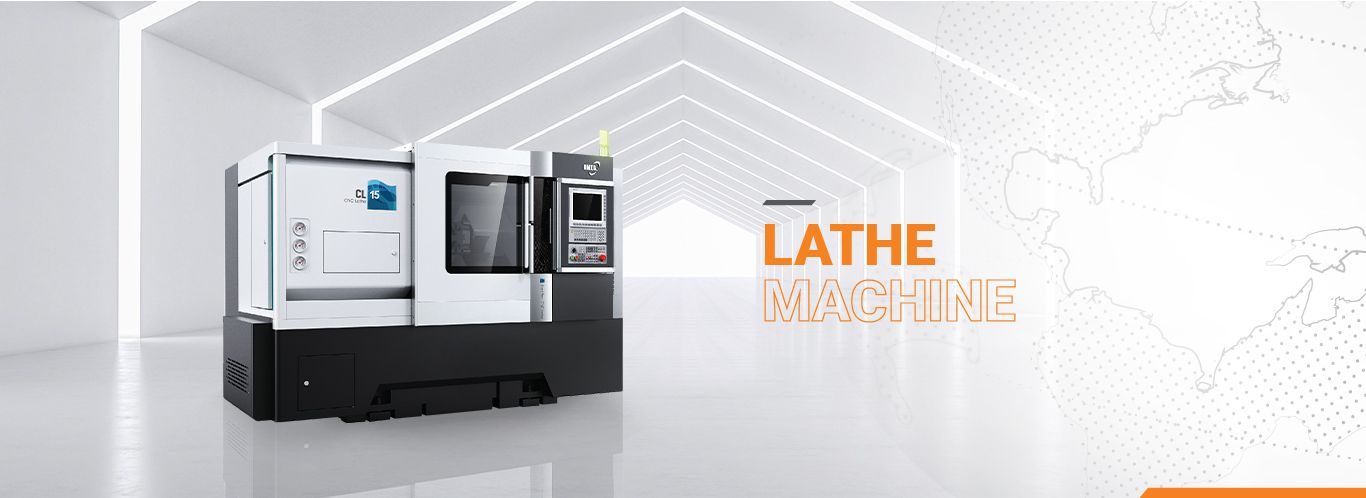
Types of CNC Lathe Machines in Malaysia
Hasil Karya supplies the full range of CNC lathe machines in Malaysia, including horizontal CNC lathes for general purpose turning, vertical CNC lathes for large-diameter and heavy components, slant-bed lathes for improved chip clearance, and CNC turret lathes for high-volume production. Each lathe type suits different part geometries and production volumes, and our sales engineers help match the right configuration to your workshop — with full after-sales service and spare parts support.
CNC Lathe Machines for Precision Turning
Hasil Karya’s broad range of CNC Lathes Machine and Lathe Machine offers a variety of bore sizes, bed lengths, and optional features. Thus, because of this variety allows us to create custom lathe solutions capable to meet any production needs.
In addition, our CNC Lathe Machine features compact and reasonable design. Due to electromechanical integration and the overall compact layout. Therefore, making it easy for repair and maintenance. Also, high efficiency, high precision, and high rigidity in process.
Besides, ensuring a machine’s longevity goes beyond the point of sale. As one of the leading lathe machine supplier in Malaysia, Hasil Karya provide post-sale service for our cnc lathe and metal lathe, offering comprehensive warranties, routine maintenance, and quick response times to service requests. This unwavering support makes us the ideal partner for businesses, promising seamless operations long after the machine’s installation.
Also, we catered this post-sale service throughout Malaysia apart from Selangor, Johor and Penang.
Even with outstanding quality and post-sale service, competitive pricing remains a key factor in choosing a supplier. We understand this delicate balance, offering competitively priced CNC turning and lathe machines without compromising on quality or support.
In today’s world, businesses are looking beyond just profit. Many seek partners who share their commitment to sustainability. Being one of the leading lathe machine and CNC turning machine supplier, Hasil Karya rise to this challenge, ensuring their processes are environmentally friendly, from production right through to disposal.
Types of CNC Lathe Machine
Choosing the right lathe type depends on the part geometry and volume you’re working with. Horizontal CNC lathes are the industry standard for general-purpose turning and handle most everyday production needs. Vertical CNC lathes suit large-diameter or heavy workpieces that are easier to hold and machine on a vertical axis. Slant-bed lathes improve chip clearance and rigidity, making them ideal for continuous high-speed operations, while CNC turret lathes are built for high-volume production runs where multiple tooling operations happen in quick succession. Our sales engineers can help you match the right CNC Lathe Machine type to your workshop’s specific needs.
Vertical CNC Lathe
For workshops handling large-diameter or heavy components, a vertical CNC lathe offers better stability and easier workpiece handling than a horizontal setup. The vertical spindle orientation allows gravity to assist with holding larger parts securely during turning, reducing vibration and improving finish quality on heavy castings, flanges, and industrial components. Hasil Karya supplies vertical CNC lathes suited to heavy fabrication and industrial manufacturing across Malaysia.
CNC Lathe Machine Operation
Getting the most out of a CNC lathe starts with proper setup and operation. The typical workflow includes securing the workpiece in the chuck, setting your tool offsets, loading the CNC program, running a dry cycle to check for collisions, and then proceeding with the actual cut while monitoring feed rate and spindle speed. Our team provides hands-on training and operational guidance with every CNC Machine purchase, helping your operators get up to speed quickly and safely.
Choosing a CNC Lathe
The right lathe depends on your part size, production volume, and precision requirements. For low-volume, varied work, a horizontal CNC lathe offers flexibility. For heavy or oversized components, a vertical lathe is the better fit. High-volume shops benefit most from turret lathes that reduce cycle time. If your production also involves milling operations, pairing your lathe with a CNC Milling Machine rounds out your workshop’s capability. Speak to our sales engineers for a free consultation on the right configuration for your business.
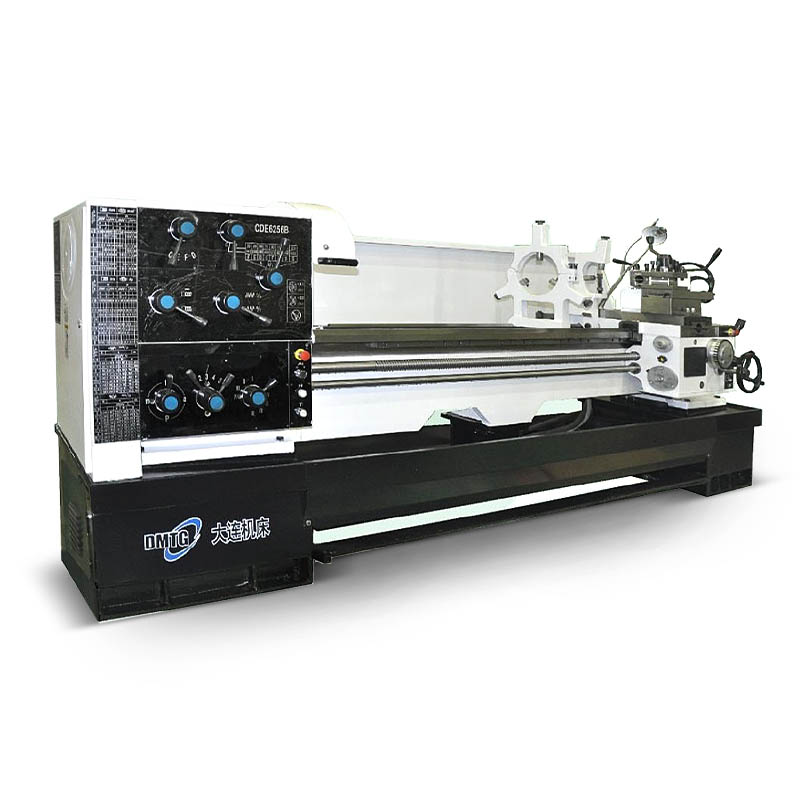
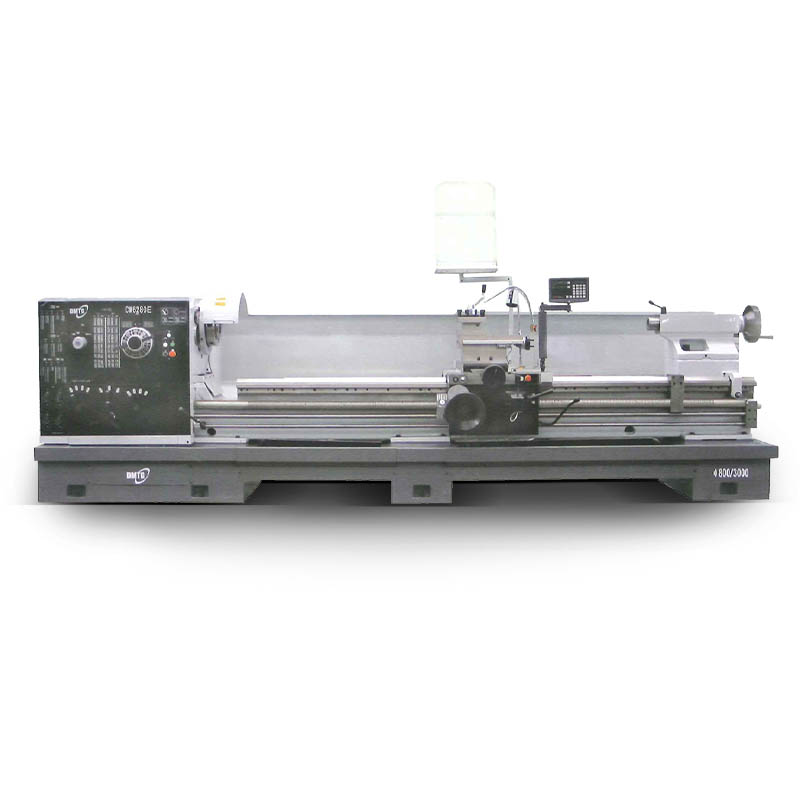
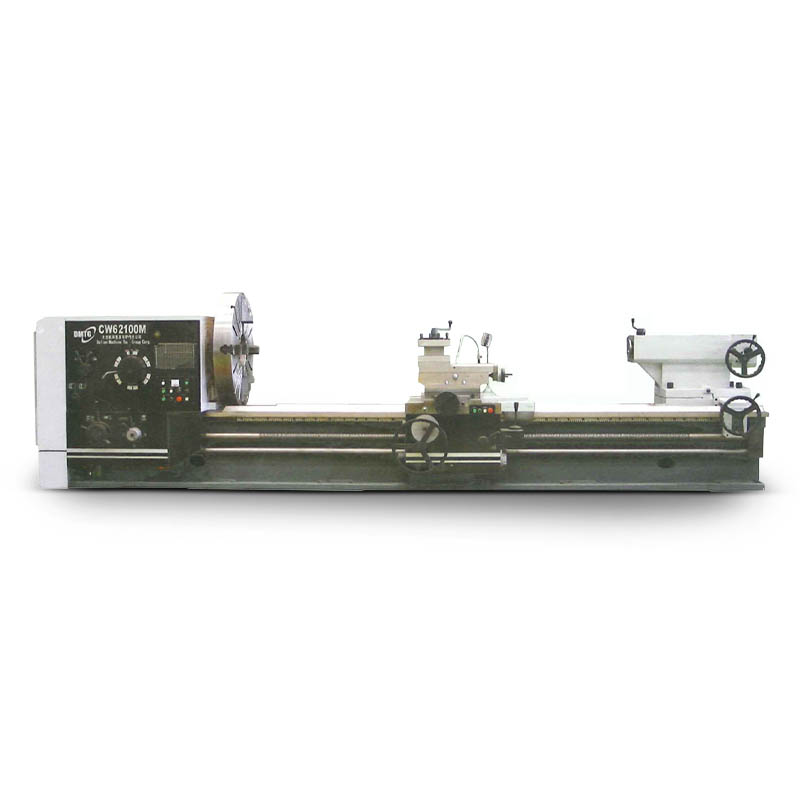
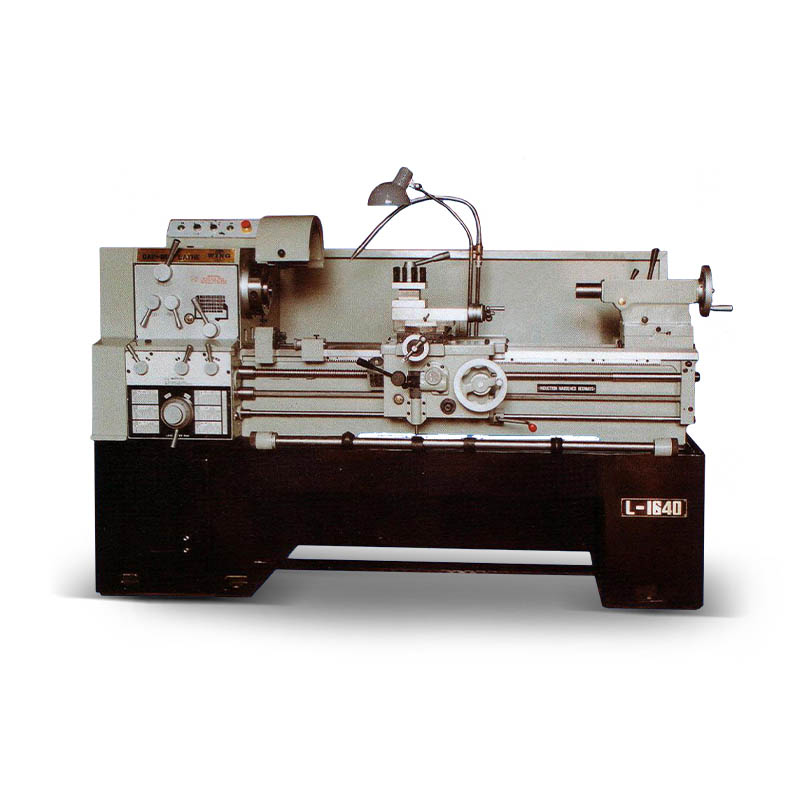
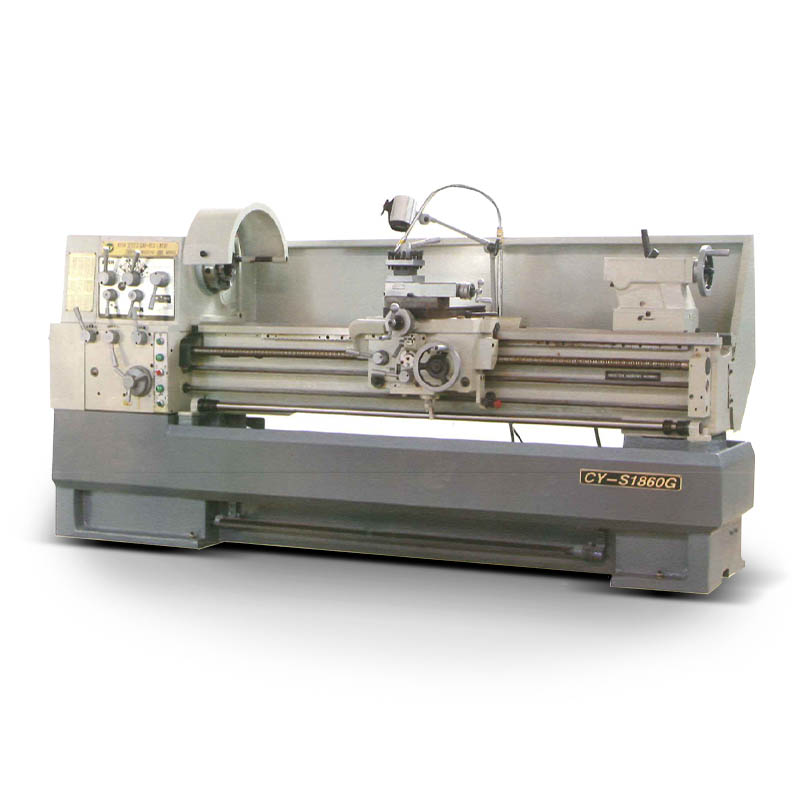
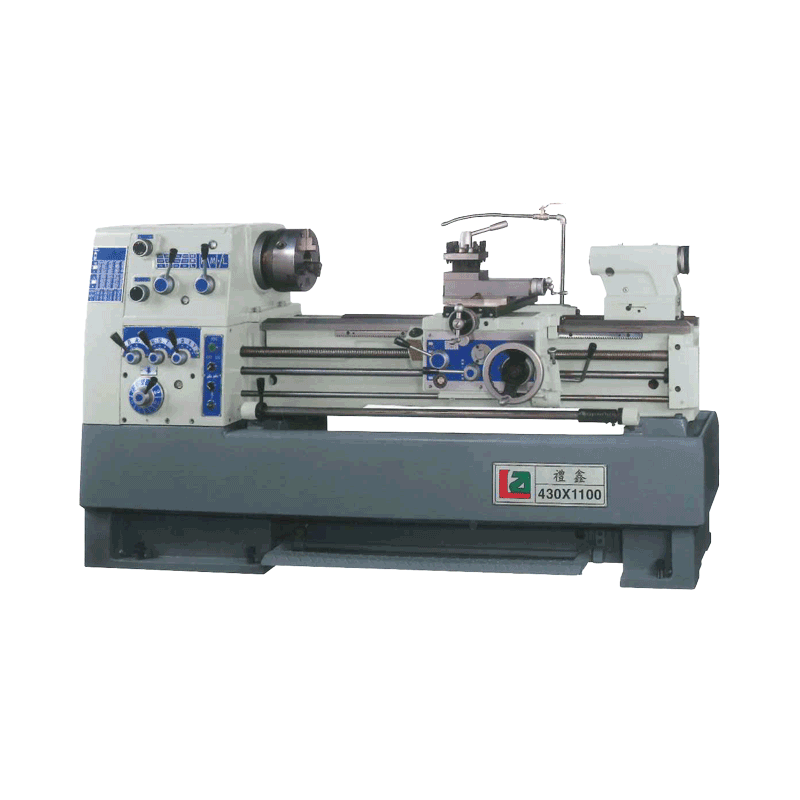
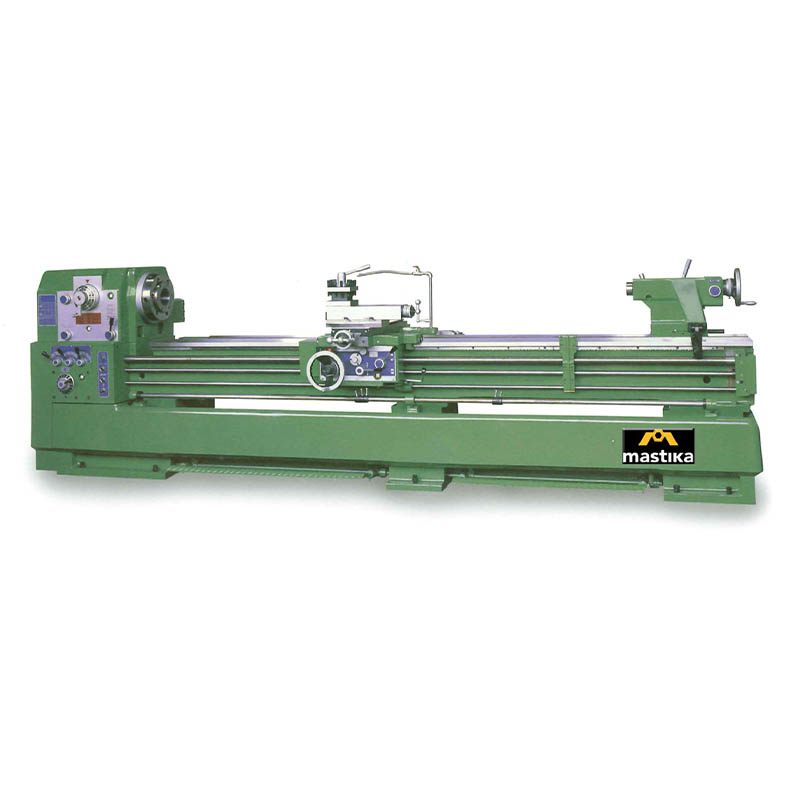
Browse Our CNC Lathe Machine
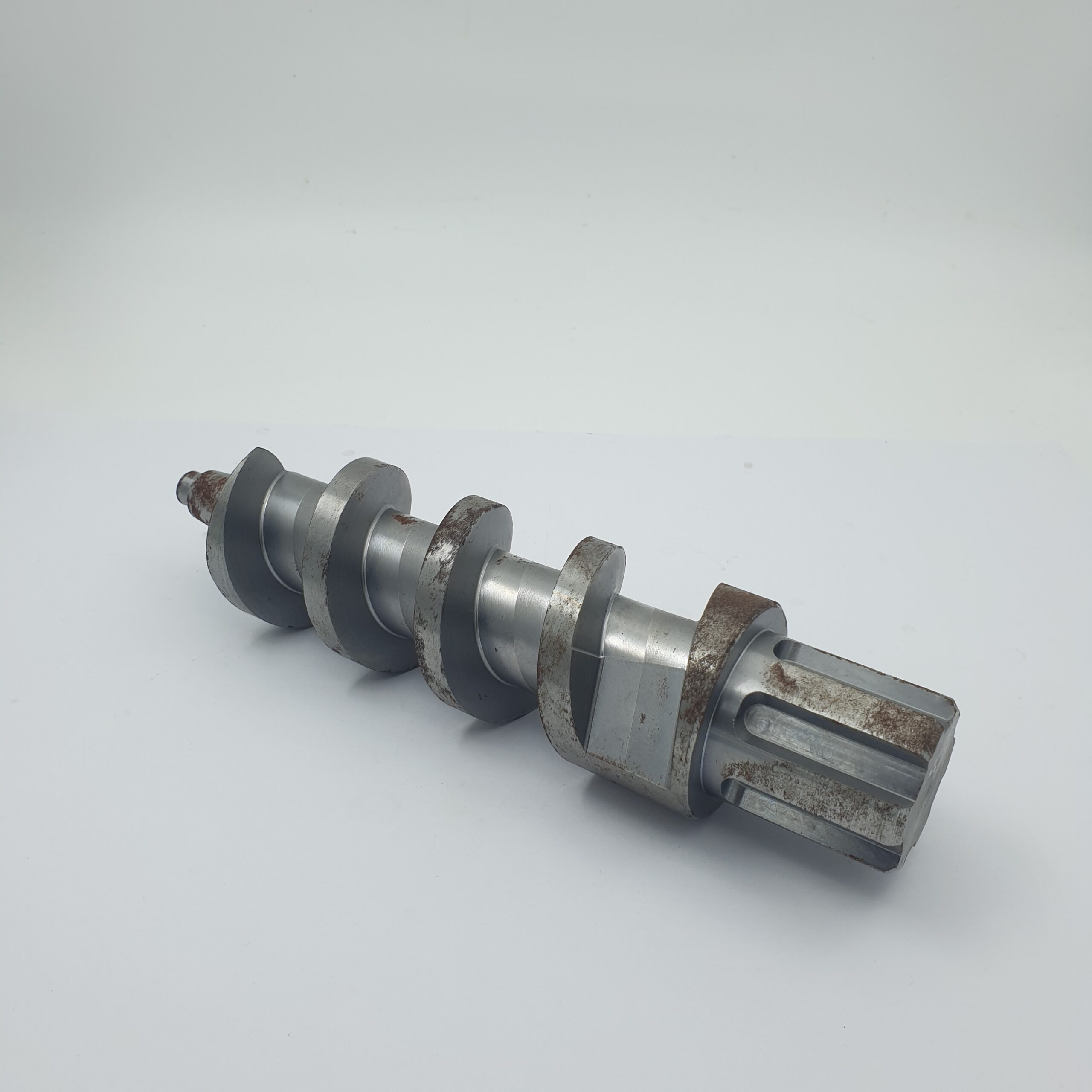
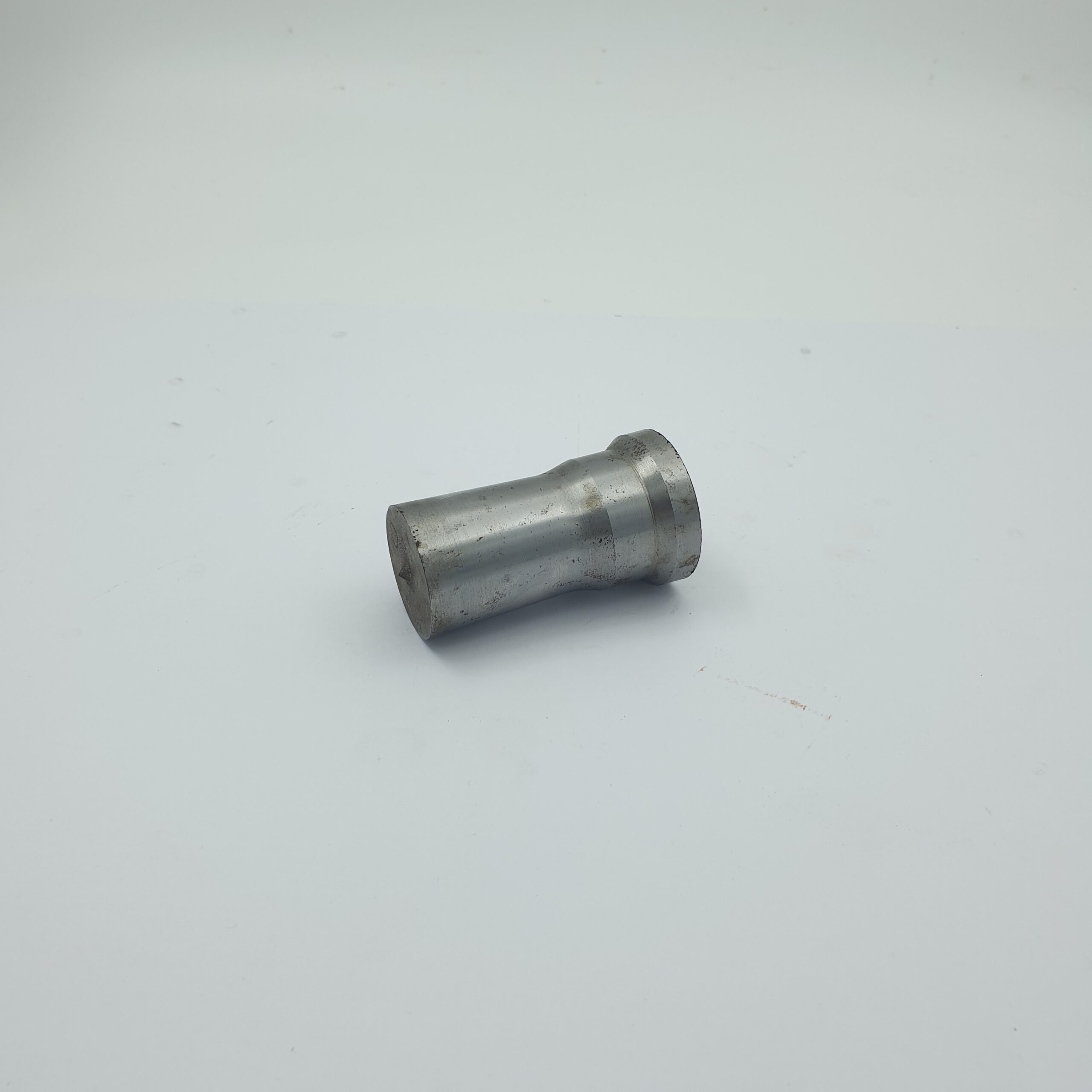
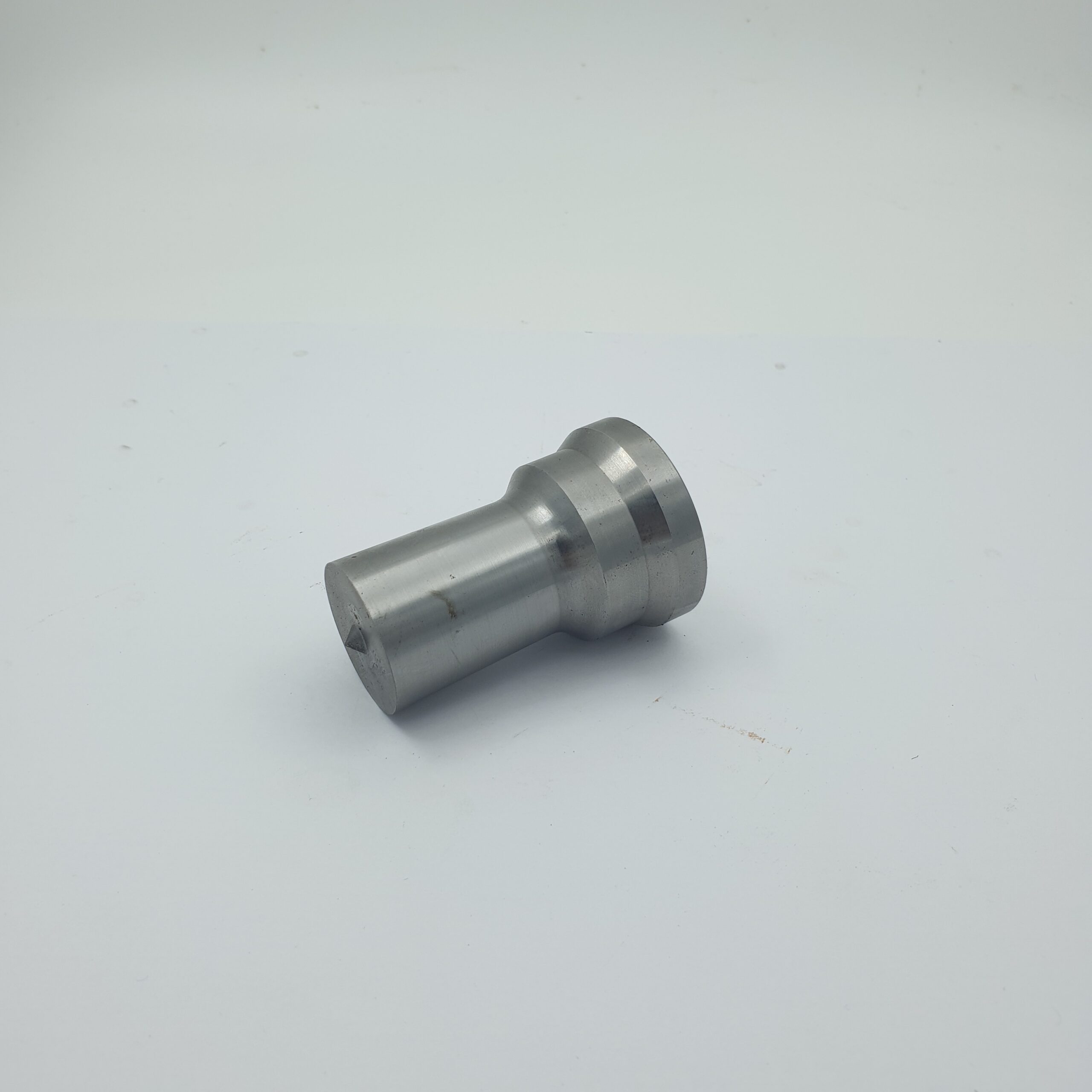
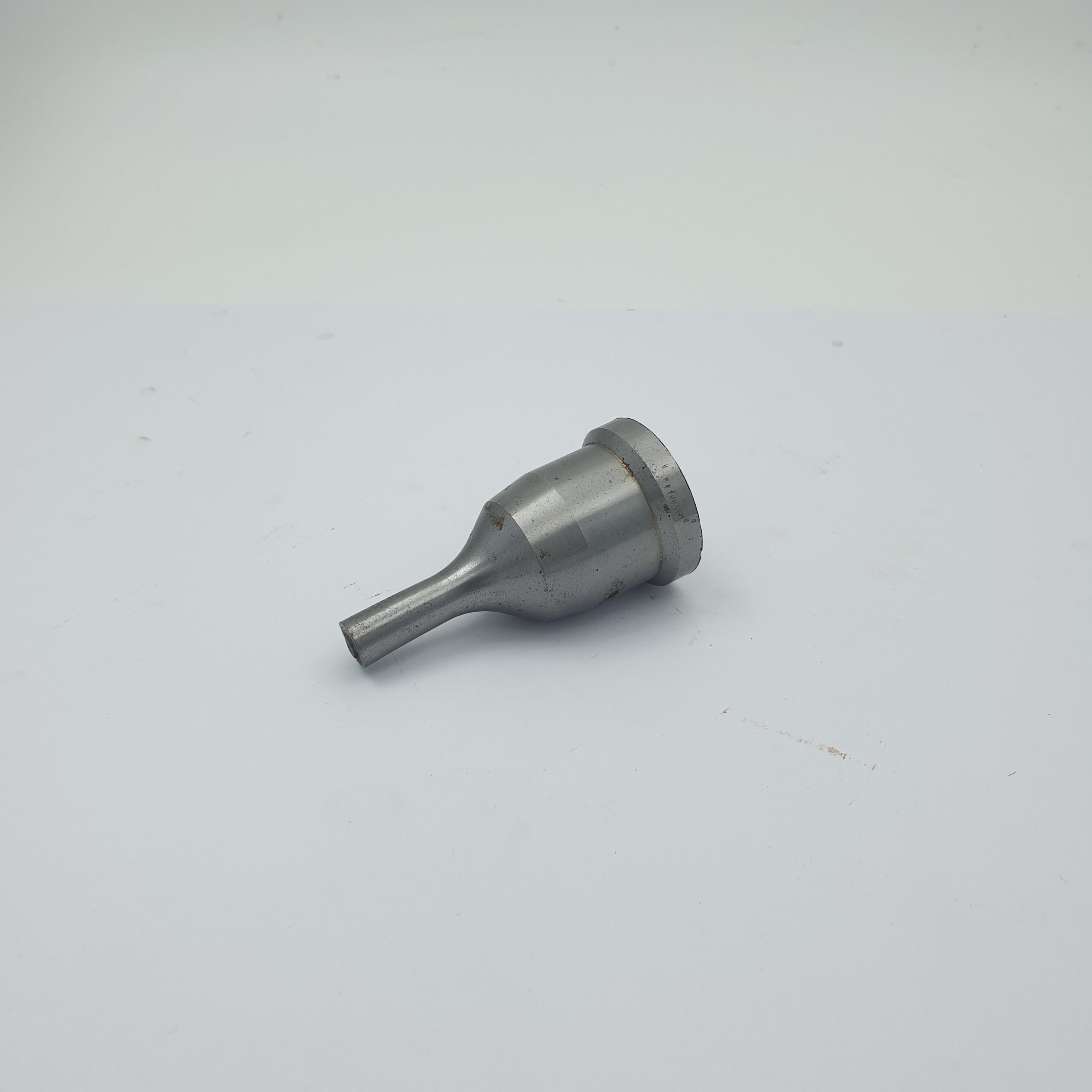
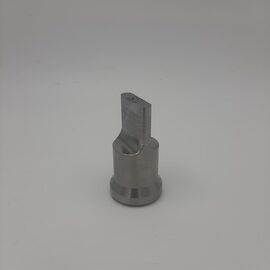
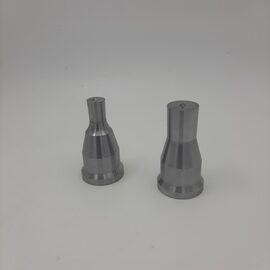
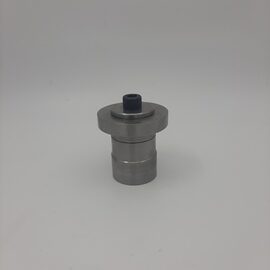
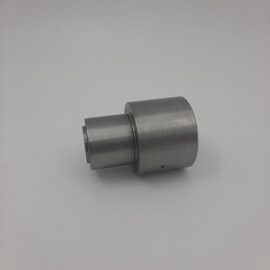
Cutting Sample
Videos Gallery
Frequently Asked Questions (FAQs)
What is a CNC lathe machine?
A CNC lathe is a machine used in metalworking for precise machining tasks that is controlled by Computer Numerical Control (CNC).
What are the key safety features in a CNC lathe machine to look for?
Emergency stop buttons, safety guards, and overload protection are crucial.
What should I look for in a CNC Turning Machine?
Consider material compatibility, workpiece dimensions, and your skill level, among other things.
What are the different parts of a CNC Lathe Machine?
A CNC lathe is a complex machine with many different components. Here are some of the most important parts:
Bed: The bed is the base of the machine, and it supports all of the other components.
Headstock: A sturdy headstock cradles the spinning spindle, the lifeblood of the CNC lathe, which is the rotating shaft that holds the workpiece.
Spindle: The spindle is the heart of the CNC lathe, and it spins the workpiece at high speeds.
Tailstock: The tailstock provides support for the workpiece on the other end of the spindle.
What can you use a CNC Lathe For?
CNC lathes are used to create a wide variety of parts, including:
Shafts: Shafts are cylindrical parts that are used to transmit power.
Bushings: Bushings are cylindrical sleeves that are used to reduce friction and wear.
Gears: Gears are used to transmit rotational motion from one shaft to another.
Bearings: Bearings are used to support rotating shafts and reduce friction.
How to Programme a CNC Lathe?
Programming a CNC lathe involves creating a set of instructions that tell the machine how to move the cutting tools and how to control the speed of the spindle. The instructions are written in a special language called G-code.
There are two main ways to program a CNC lathe:
- Manual programming: In manual programming, the operator writes the G-code instructions by hand. This method is time-consuming and error-prone.
- CAM programming: In CAM programming, the operator uses a computer-aided manufacturing (CAM) software program to create the G-code instructions. The CAM software uses a 3D model of the part to generate the instructions. This method is faster and more accurate than manual programming.
Once the G-code instructions have been created, they are loaded into the CNC lathe’s computer.
The computer then executes the instructions, and the machine moves the cutting tools and controls the speed of the spindle to machine the part.
You have questions? We have the answers.
Reach out to us if you need more information about CNC Lathe Machine. We are happy to serve you.
We also supply other industrial machinery such as :
What’s other say about Hasil Karya